Why Do My Nails Curl Downward as They Grow? Understanding Nail Shape Changes in Midland, TX
By GoNails team ·
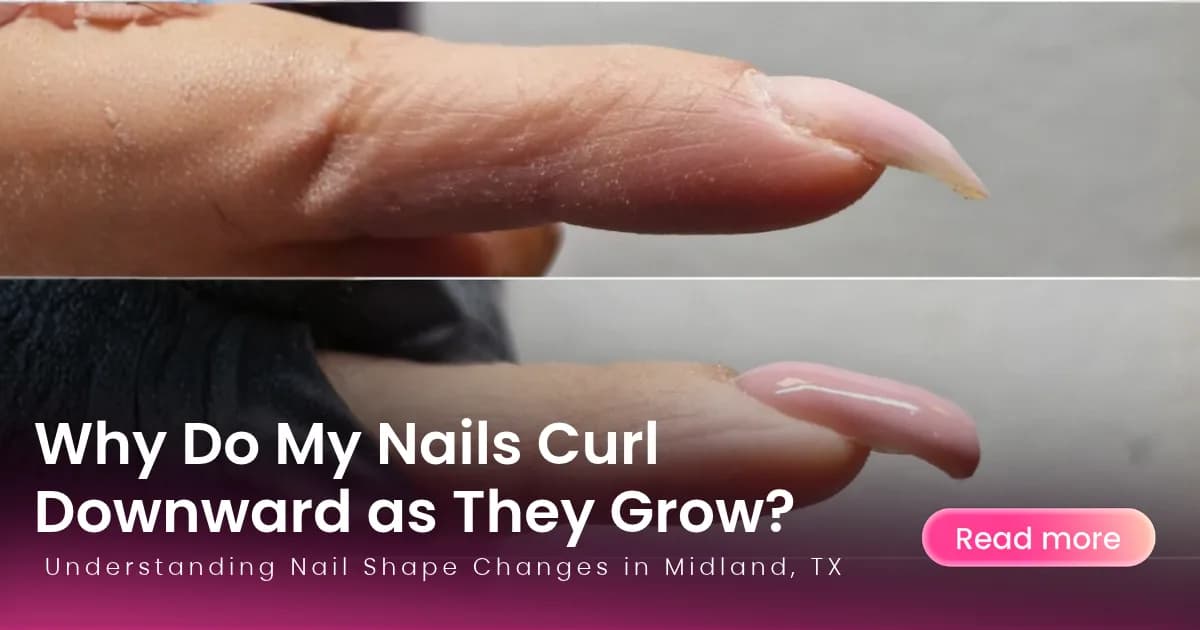
Have you noticed that your nails start growing downward instead of extending straight out? This change can be subtle at first, but over time, the tips may curve toward your fingertips, making your nails look shorter or giving them an unusual shape. If you frequently get manicures in Midland, TX, understanding why this happens can help you choose nail shapes and services that complement your natural nails.
Downward-curving nails are not always a sign of a problem. Natural nail shape, nail length, repeated pressure, and certain health conditions can all influence how nails grow. The important thing is to recognize whether the curve has always been part of your nail shape or has developed recently.
1. Your Natural Nail Shape May Curve Downward
Not everyone's nails grow in the same direction. Some people naturally have nails that curve slightly downward, while others have flatter nail plates or tips that point upward. Genetics and the structure of the nail bed can influence these differences.
If your nails have always had a downward curve and remain healthy, there may be no reason for concern. The shape is simply part of your natural nail structure.
For manicures, the key is choosing a nail shape that works with your natural growth pattern. A skilled nail technician can help you find a length and shape that create a balanced appearance without putting unnecessary pressure on the nail.
2. Long Nails Can Make the Curve More Noticeable
As natural nails grow longer, their free edges become more visible and may begin to bend downward. This can be especially noticeable when the nail plate is thin or naturally flexible.
If you enjoy keeping your nails long, consider whether the length is practical for your daily activities. Shortening the free edge slightly may make the downward curve less noticeable and reduce the chance of accidental bending or breakage.
A shorter oval or squoval shape can also create a more balanced appearance than an excessively long shape that follows the curve too closely.
3. Repeated Pressure Can Affect Nail Appearance
Daily habits can influence the condition and appearance of your nails. Frequent pressure on the fingertips, repeated impact, or using nails to open objects may contribute to bending, splitting, or other changes in the nail plate.
If you work with your hands regularly, pay attention to activities that place pressure on your fingertips. Wearing protective gloves when appropriate and avoiding the use of nails as tools can help reduce unnecessary stress.
However, pressure alone does not explain every case of downward-curving nails. If the shape changes noticeably or affects only certain fingers, it is worth paying attention to other possible causes.
4. When a Change in Nail Shape Needs Attention
A gradual, lifelong curve is different from a noticeable change that develops over a short period. Nails that become increasingly rounded around the fingertips, sometimes described as clubbing, can occasionally be associated with underlying health conditions.
If several nails develop a new downward curve, especially alongside changes in fingertip shape, nail color, or thickness, consider speaking with a healthcare professional. A nail technician can help with cosmetic appearance, but they cannot diagnose the medical cause of a nail change.
It is better to understand the reason for an unusual change before covering it with enhancements or artificial nails.
5. Choosing a Manicure That Works With Your Nail Shape
If downward-curving nails are simply part of your natural structure, the right manicure can help create a more balanced look. Your nail technician may recommend a length that follows your natural nail comfortably rather than extending too far beyond the fingertip.
The shape also matters. Soft square, squoval, and oval styles can be adapted to different natural nail structures. If you prefer acrylic or gel enhancements, discuss the desired length and structure before the service begins. Adding excessive length or product without considering the natural nail may make the finished look less comfortable.
For clients in Midland, TX, bringing a photo of the nail shape you like can help communicate your preferences. A good design should complement your natural nails rather than force them into a shape that is difficult to maintain.
Finding the Right Nail Care Approach in Midland, TX
Downward-curving nails do not always require correction. Sometimes, they are simply your natural nail shape. In other cases, a recent change may deserve closer attention, especially if it occurs alongside other visible symptoms.
Understanding the difference can help you make better decisions about nail length, manicure styles, and when to seek professional advice. Whether you prefer natural nails, gel polish, or nail enhancements, choosing a service that respects your nail structure is an important part of maintaining a comfortable and polished appearance.
Explore Go Nails to discover nail salons in Midland and find a place for your next manicure.